
Preparing Skin Before a Peel
Preparation for a chemical peel is a set of instructions with dates. Get them, check them and follow them.
In practice that means a preparation plan, general instructions, medicine and infection checks, what to tell your provider, who may not be a candidate, and the questions for the consultation. Your provider's instructions outrank any general advice.
Ask whether you need a preparation plan
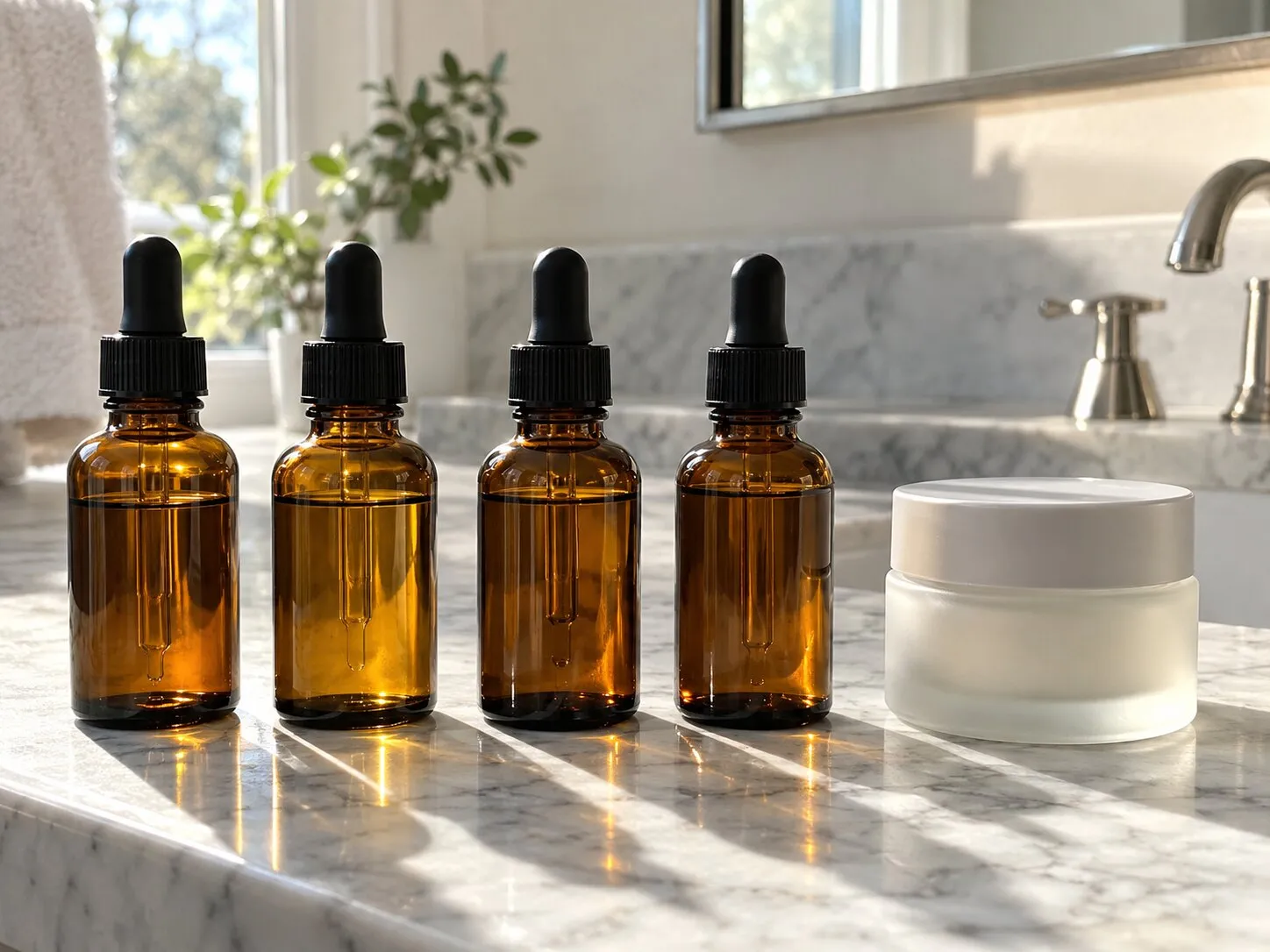
Ask at the first consultation, not on the day of the peel. The American Academy of Dermatology says that before getting a chemical peel, some patients need to follow a pre-peel skin care plan for 2 to 4 weeks, that this plan can improve results and reduce potential side effects, and that your dermatologist will tell you whether this is necessary.
Cleveland Clinic says a deep chemical peel requires pretreatment for up to eight weeks, and that your doctor will provide specific instructions. Plan the calendar around the longest period your provider gives you. The academy's page on preparing for a chemical peel is the source to check your plan against.
Know the general instructions
Cleveland Clinic lists general instructions for preparing for a chemical peel. They are to avoid tanning and direct sun exposure for two weeks before each treatment, to apply topical products such as hydroquinone as instructed before treatment to prepare your skin, and not to use any products containing retinoids such as tretinoin one to two weeks before treatment, unless your physician tells you differently.
Treat that list as a set of questions. Ask which products you use contain retinoids. Ask whether you will be given a topical product to start. Ask for the dates in writing.
Check medicines and infection risk
Cleveland Clinic says that if you have been prescribed oral antibiotics or an oral antiviral medicine, you should start taking it at least 24 hours before your chemical peel. It also says peel areas must be free of any open sores, lesions or skin infections.
If you see a sore or a lesion in the treatment area, tell your provider before the appointment. Ask what happens to the date. While you wait, read a dermatologic surgery society's chemical peel page for its account of the treatment.
Tell your provider everything
The American Academy of Dermatology says to tell your dermatologist before a chemical peel if you are taking or have ever taken isotretinoin, a medicine prescribed for severe acne, and to list all other medicines you take or have recently taken.
The American Academy of Dermatology also says to list all herbs, vitamins and minerals you take, even if you haven't taken these for a while, and all surgeries and cosmetic treatments you have had. Write the list before the visit. Do not leave anything off because it seems minor.
Learn when a peel may not be recommended
Cleveland Clinic says chemical peeling may not be recommended if you have a history of abnormal skin scarring, have extra coloring in your scars, have skin conditions or take medications that make your skin more sensitive, or can't stay out of the sun for the healing period.
Check yourself against each item. If one applies, say so early and ask what the alternatives are. The academy's overview of chemical peels is another place to read what the treatment involves.
Bring questions to the consultation
The American Academy of Dermatology says you should ask the following questions before getting a chemical peel: will a board-certified dermatologist perform the chemical peel, how many chemical peels has the doctor performed on people with my skin coloring, what will I need to do before and after the peel to get the best results, and what results can I expect.
The American Academy of Dermatology also says that during the consultation your dermatologist can tell you whether another treatment would be a better option for you, and that you may find your dermatologist recommends using more than one treatment. It adds that results from many research studies show that combining treatments can lead to better, longer-lasting results. Ask whether a combination applies to you.
Leave at-home peels on the shelf
The American Academy of Dermatology says some chemical peels sold for at-home use are causing serious injuries. That is why the FDA advises you to buy and use a chemical peel only under the supervision of a licensed, trained provider like a dermatologist.
Do the preparation with the provider who will do the peel. Do not substitute a product bought online or in a store.
Turn the list into a calendar
Write the dates. Put the start of any pre-peel plan, the last day of retinoid use, the first day of any antibiotic or antiviral medicine and the sun-avoidance window on one page, with the peel date at the end. Bring the page to the consultation and have the provider correct it. Then follow the corrected page.